
Master in Sustainable Development and CSR

Introduction:

Embracing sustainability and corporate social responsibility (CSR) has become imperative for businesses in today’s world. As the global community strives for a greener and more equitable future, professionals equipped with the knowledge and skills to drive sustainable development are in high demand. Rennes School of Business in France offers a comprehensive Master’s program in Sustainable Development and CSR, designed to prepare students for leadership roles in this critical field. By enrolling in this program, you will gain a deep understanding of sustainable practices, CSR frameworks, and strategies for creating positive social and environmental impacts.

Exploring Sustainable Development and CSR:

The Master in Sustainable Development and CSR program at Rennes School of Business provides a multidisciplinary approach to sustainable business practices. Through a combination of theoretical knowledge and practical applications, students delve into topics such as environmental sustainability, social responsibility, ethical governance, and stakeholder engagement. The curriculum is designed to equip graduates with the skills needed to navigate complex sustainability challenges and make informed decisions that balance economic, social, and environmental considerations.

Key Features and Benefits:

  1. Holistic Curriculum: The program offers a comprehensive curriculum that covers a wide range of topics related to sustainable development and CSR. From sustainable supply chain management to renewable energy strategies, you will gain a deep understanding of the interconnectedness between business and sustainability.
  2. Expert Faculty: Learn from experienced faculty members who are industry experts and thought leaders in the field of sustainable development. They bring real-world insights and cutting-edge research to the classroom, enriching your learning experience.
  3. Practical Learning Opportunities: Engage in hands-on projects, case studies, and simulations that allow you to apply sustainable business principles in real-world scenarios. Collaborate with industry partners and gain practical experience through internships and fieldwork.
  4. Global Perspective: Rennes School of Business is renowned for its international outlook, attracting students from diverse backgrounds and cultures. This multicultural environment provides a unique opportunity to learn from peers with different perspectives, fostering a global mindset essential for addressing sustainability challenges on a global scale.

Career Opportunities:

Graduates of the Master in Sustainable Development and CSR program are well-equipped to pursue a variety of career paths. The demand for sustainability professionals is growing across industries, including consulting firms, non-profit organizations, government agencies, and multinational corporations. With your expertise in sustainable practices and CSR, you can make a meaningful impact by driving positive change and contributing to a more sustainable future.

Conclusion:

By enrolling in the Master in Sustainable Development and CSR program at Rennes School of Business, you will embark on a transformative journey that equips you with the knowledge, skills, and mindset to address the world’s sustainability challenges. Join a community of like-minded individuals dedicated to creating a more sustainable and responsible business world. Make a difference and shape a brighter future with a Master’s degree that combines business acumen with sustainability principles. Together, let’s build a greener and more socially conscious world.
Master’s Degree in Design for Smart Cities (MSc)

Introduction: Welcome to L’École de Design, the esteemed institution that empowers design professionals to drive positive change in the world. The Master’s Degree in Design for Smart Cities (MSc) offered by L’École de Design in France is a transformative program that prepares you to shape the future of urban living. In this program, you will explore the intersection of design, technology, and sustainability to create innovative solutions for sustainable and technologically advanced urban environments.

Subheading 1: Designing Sustainable and Livable Cities The Master’s Degree in Design for Smart Cities (MSc) focuses on designing cities that are not only smart but also sustainable and livable. Through a multidisciplinary approach, you will learn to integrate environmental sustainability, social inclusivity, and economic vitality into your urban design projects. From sustainable architecture and green infrastructure to renewable energy solutions and sustainable transportation, you will develop a holistic understanding of creating cities that prioritize the well-being of its inhabitants and the planet.

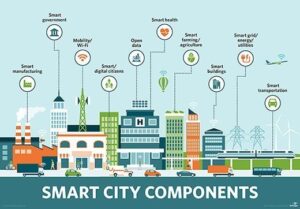
Subheading 2: Embracing Smart Technologies and Digital Innovation In an era of rapid technological advancements, smart technologies play a crucial role in transforming cities into intelligent and connected ecosystems. This program immerses you in the world of digital innovation and encourages you to explore how technologies such as the Internet of Things (IoT), data analytics, and artificial intelligence can be leveraged to improve urban life. Learn to harness the power of data-driven design and create smart city solutions that enhance efficiency, safety, and quality of life for urban dwellers.

Subheading 3: Design Thinking for Urban Challenges Design thinking lies at the heart of the Master’s Degree in Design for Smart Cities (MSc) at L’École de Design. Through a human-centered approach, you will develop the skills to identify and address complex urban challenges. From understanding the needs of diverse communities to engaging stakeholders and co-creating solutions, you will learn to navigate the complexities of urban design projects. Embrace empathy, creativity, and collaboration as you develop innovative design solutions that respond to the unique needs of urban environments.

Subheading 4: Innovation and Collaboration At L’École de Design, we believe in the power of collaboration and innovation. Throughout the program, you will have the opportunity to collaborate with industry professionals, fellow students, and local communities. Engage in real-world projects, participate in design workshops, and collaborate with leading organizations and institutions working in the field of urban design. This collaborative approach not only enhances your learning experience but also prepares you to thrive in a professional environment where teamwork and innovation are valued.

Subheading 5: Career Opportunities and Future Prospects Upon completing the Master’s Degree in Design for Smart Cities (MSc) at L’École de Design, a wide range of exciting career opportunities await you. As cities worldwide strive to become smarter and more sustainable, the demand for design professionals with expertise in smart city design and urban planning continues to grow. Whether you aspire to work in urban design consultancies, city planning departments, sustainability organizations, or start your own design practice, this program equips you with the skills and knowledge to succeed in the dynamic field of urban design.

Conclusion: If you are passionate about shaping the future of urban living and creating sustainable, smart cities, the Master’s Degree in Design for Smart Cities (MSc) at L’École de Design is the ideal program for you. Through a comprehensive curriculum, a focus on sustainability and technology, design thinking methodologies, and collaboration with industry professionals, this program prepares you to be a visionary in the field of urban design. Join us and contribute to creating cities that are not only smart but also sustainable, inclusive, and vibrant. Apply now and embark on a rewarding journey to become a leader in designing the cities of tomorrow.

Renewable Energy and Sustainable Processes – MSc

Introduction: In the face of global environmental challenges, the pursuit of renewable energy and sustainable processes has become paramount. The MSc in Renewable Energy and Sustainable Processes highlights the hands-on learning experiences that students can expect, including experiments with solar panels, wind turbines, and energy storage systems. The university’s commitment to practical training ensures that students develop the skills necessary to address real-world challenges in renewable energy and sustainability.

  1. Studying in France: A Leader in Renewable Energy: France stands as a global leader in renewable energy and sustainable practices. This subheading explores the advantages of studying in France, such as access to innovative research institutions, strong governmental support for clean energy, and a thriving renewable energy industry. Students benefit from the opportunity to connect with industry professionals, participate in internships, and engage in renewable energy projects that contribute to the country’s ambitious sustainability goals.

Conclusion: The MSc in Renewable Energy and Sustainable Processes at IMT Mines Alès empowers students to become catalysts for change in the global energy landscape. Through a comprehensive curriculum, expert faculty, cutting-edge research, and hands-on learning, students gain the knowledge and skills needed to drive the energy transition towards a more sustainable future. Studying at IMT Mines Alès in France not only provides academic excellence but also offers a unique platform to actively contribute to the development and implementation of renewable energy solutions. Join the journey towards a greener world with the MSc in Renewable Energy and Sustainable Processes at IMT Mines Alès.

Sustainable Development and Corporate Social Responsibility (BSc)

Introduction: In a world facing pressing environmental and social challenges, businesses have a crucial role to play in promoting sustainable development and corporate social responsibility. ISC Paris, a prestigious university in France, offers a comprehensive Bachelor of Science (BSc) program in Sustainable Development and Corporate Social Responsibility, equipping students with the knowledge and skills to address these critical issues. With a focus on sustainability, ethics, and responsible business practices, this program prepares students to become leaders who drive positive change and shape a better future.

Understanding Sustainable Development and Corporate Social Responsibility: Sustainable development refers to the practice of meeting the needs of the present generation without compromising the ability of future generations to meet their own needs. It involves balancing economic growth, environmental protection, and social well-being. Corporate social responsibility (CSR), on the other hand, is the concept that businesses have an ethical obligation to contribute to society beyond their financial interests. ISC Paris’s BSc program explores the principles, frameworks, and best practices related to sustainable development and CSR.

Curriculum and Course Highlights: The curriculum of the Sustainable Development and Corporate Social Responsibility program at ISC Paris provides students with a comprehensive understanding of sustainable business practices. It covers a wide range of subjects, including environmental sustainability, social impact assessment, stakeholder engagement, sustainable supply chain management, and sustainable finance. Students also have the opportunity to gain practical experience through internships and real-world projects, applying their knowledge to address sustainability challenges faced by organizations.

The Business-Sustainability Nexus: One of the key focuses of the program is exploring the intersection of business and sustainability. Students learn how businesses can integrate sustainability principles into their strategies and operations, considering environmental, social, and economic impacts. They gain insights into sustainable business models, green marketing, sustainable innovation, and sustainable entrepreneurship. By understanding the business-sustainability nexus, students are prepared to drive change and create sustainable value within organizations.

Ethics and Responsible Leadership: Sustainable development and CSR are inherently linked to ethical decision-making and responsible leadership. ISC Paris emphasizes the importance of ethics throughout the program, encouraging students to consider the social and environmental consequences of their actions. They learn about ethical frameworks, responsible governance, and ethical supply chain management. By fostering a sense of responsibility, integrity, and ethical awareness, ISC Paris equips students to become ethical leaders who prioritize sustainability in their decision-making.

Career Opportunities: Graduates of the Sustainable Development and Corporate Social Responsibility program at ISC Paris have diverse career paths open to them. They can pursue roles in sustainability consulting firms, non-profit organizations, government agencies, and socially responsible businesses. Job titles include sustainability analyst, CSR manager, environmental consultant, social impact strategist, and sustainable development specialist. The program’s emphasis on practical skills, critical thinking, and responsible leadership prepares graduates to make a meaningful impact on society and the environment.

In conclusion, ISC Paris’s BSc program in Sustainable Development and Corporate Social Responsibility offers a transformative educational experience for students passionate about making a difference. By equipping students with the knowledge, skills, and ethical foundation necessary for sustainable business practices, the program prepares graduates to become leaders who shape a responsible future. Join ISC Paris and embark on a journey to create a sustainable and socially conscious world.

Sustainable Development Engineering – BE

Introduction: Embark on a journey of environmental stewardship and sustainable innovation with a Bachelor of Engineering (BE) in Sustainable Development Engineering at IMT Mines Alès. Nestled in the picturesque country of France, IMT Mines Alès offers a comprehensive program that equips students with the knowledge and skills to address pressing global challenges. This article delves into the intricacies of the program, highlights the university’s notable features, and sheds light on the promising career prospects awaiting graduates in this vital field.

Subheading 1: What is Sustainable Development Engineering? Transition Words: Firstly, Furthermore, In addition to that, Moreover

Sustainable Development Engineering is a multidisciplinary field that focuses on designing, implementing, and managing technological solutions that promote environmental sustainability, social equity, and economic well-being. It combines principles from engineering, environmental science, and social sciences to address the complex interplay between human activities and the environment. Sustainable Development Engineers strive to create innovative solutions that reduce carbon footprint, enhance resource efficiency, promote renewable energy, and foster sustainable communities. They play a crucial role in shaping a more sustainable future by integrating environmental considerations into the design and operation of systems and processes.

Subheading 2: Bachelor of Engineering (BE) Program Transition Words: Secondly, Additionally, Moreover

The BE program in Sustainable Development Engineering at IMT Mines Alès offers students a comprehensive education in sustainable practices, technologies, and methodologies. The curriculum is designed to develop a strong foundation in engineering principles while emphasizing the principles of sustainability and environmental management. Students delve into subjects such as renewable energy systems, environmental impact assessment, waste management, sustainable design, and social responsibility. Through hands-on projects, fieldwork, and industry collaborations, students gain practical experience and develop a holistic understanding of sustainable development practices. The program also fosters critical thinking, problem-solving skills, and ethical decision-making necessary for addressing real-world sustainability challenges.

Subheading 3: IMT Mines Alès – A Hub of Excellence Transition Words: Additionally, Furthermore, Moreover

IMT Mines Alès stands as a prestigious institution renowned for its commitment to academic excellence and sustainable innovation. The university boasts cutting-edge research facilities, state-of-the-art laboratories, and collaborations with leading industry partners. Students benefit from a vibrant and inclusive learning environment, guided by experienced faculty members who are experts in the field of sustainable development. IMT Mines Alès promotes interdisciplinary collaboration, offering opportunities for students to engage in research projects and participate in sustainable development initiatives. The university’s strong ties with industry and government sectors ensure that students gain valuable practical experience and establish professional networks.

Subheading 4: Thriving Careers in Sustainable Development Engineering Transition Words: Furthermore, Moreover, Additionally

A BE in Sustainable Development Engineering opens up diverse and rewarding career opportunities. Graduates can pursue roles as sustainability consultants, environmental engineers, renewable energy specialists, waste management experts, and sustainable design consultants. With the increasing global focus on sustainability and environmental stewardship, the demand for professionals in sustainable development is on the rise. Sustainable Development Engineers are instrumental in driving positive change, whether it’s designing eco-friendly infrastructure, implementing renewable energy solutions, or developing strategies for sustainable resource management. They contribute to creating a more sustainable and resilient future for our planet and communities.

Conclusion: In an era where sustainability and environmental responsibility are paramount, pursuing a BE in Sustainable Development Engineering at IMT Mines Alès in France empowers students to become leaders and change agents in promoting a sustainable future. With a strong foundation, practical experience, and a focus on innovation, graduates are equipped to make a significant impact in addressing global sustainability challenges.