


TELECOMMUNICATIONS ENGINEERING


Introduction: Welcome to ISEP University in France, where we offer a transformative educational experience in the field of Telecommunication Engineering. In this ever-evolving digital era, effective communication networks are the backbone of our interconnected world. Our comprehensive program equips students with the knowledge and skills to design, develop, and manage cutting-edge telecommunication systems. With a focus on theoretical foundations and practical applications, students gain expertise in areas such as wireless communication, network architecture, signal processing, and data transmission. Join us at ISEP University and become a key player in shaping the connected future.

Subheading 1: Cutting-Edge Curriculum At ISEP University, our Telecommunication Engineering program offers a cutting-edge curriculum that reflects the latest advancements in the field. Through a combination of theoretical coursework and hands-on projects, students acquire a strong foundation in essential concepts. They delve into subjects such as digital communication, optical networks, mobile systems, and network security. Our experienced faculty members, who are experts in the field, provide valuable guidance and mentorship to help students navigate complex challenges.

Subheading 2: Research Opportunities Research is at the heart of our Telecommunication Engineering program. ISEP University encourages students to engage in research projects that push the boundaries of knowledge and innovation. Through our state-of-the-art laboratories and research centers, students have access to cutting-edge equipment and resources. They collaborate with faculty members on research topics such as 5G networks, Internet of Things (IoT), and next-generation communication protocols. These research experiences provide valuable insights and enhance students’ problem-solving and critical thinking skills.

Subheading 3: Career Prospects Upon graduation, Telecommunication Engineering graduates from ISEP University are highly sought-after in the industry. The program’s industry-focused curriculum and practical training prepare students for a wide range of career opportunities. They can pursue roles in telecommunications companies, network infrastructure providers, research and development organizations, and government agencies. With the growing demand for connectivity and emerging technologies like 5G and IoT, graduates are well-positioned to make a significant impact in the field.

Conclusion: At ISEP University, we are committed to providing a comprehensive Telecommunication Engineering program that prepares students for the challenges and opportunities of the digital age. With our cutting-edge curriculum, research opportunities, and strong industry connections, students gain the skills and knowledge needed to thrive in this rapidly evolving field. Join us at ISEP University in France and embark on a rewarding educational journey that will shape the future of telecommunications.
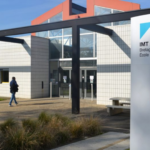

Telecommunications Engineering

Introduction:

Embark on an immersive journey into the realm of Telecommunications Engineering at IMT Atlantique, a prestigious institution renowned for its excellence in engineering education. In this article, we will delve into the comprehensive program offered by IMT Atlantique, covering a wide range of sub-disciplines and cutting-edge curriculum that equips students with the skills and knowledge to excel in the rapidly evolving field of telecommunications engineering.

The Versatility of Telecommunications Engineering:

Telecommunications Engineering plays a vital role in connecting the modern world, enabling seamless communication and transforming industries. At IMT Atlantique, the program offers students a versatile education, covering diverse sub-disciplines such as wireless communication, network design, signal processing, and data transmission. Students develop a strong foundation in both theoretical concepts and practical skills, preparing them to tackle complex challenges in the field.

Cutting-Edge Curriculum: Building the Foundation of Connectivity:

IMT Atlantique provides a cutting-edge curriculum designed to meet the demands of the ever-evolving telecommunications industry. Students engage in a combination of theoretical coursework, practical laboratory sessions, and hands-on projects. The program emphasizes the latest advancements in technologies such as 5G, Internet of Things (IoT), and network security. Through a comprehensive curriculum, students gain a deep understanding of the principles and techniques used in designing, implementing, and optimizing telecommunication systems.

Research Opportunities: Pushing Boundaries in Telecommunications:

IMT Atlantique offers numerous research opportunities in the field of telecommunications engineering. Students have the chance to work alongside esteemed faculty members on groundbreaking projects that push the boundaries of innovation. The university’s strong research collaborations with industry and academic partners provide students with exposure to cutting-edge technologies and the opportunity to contribute to advancements in the field. These research experiences enhance students’ problem-solving skills, critical thinking abilities, and prepare them for future leadership roles.

Practical Training: Bridging the Gap between Theory and Practice:

IMT Atlantique recognizes the importance of practical training in shaping well-rounded telecommunications engineers. The program offers practical experiences through internships, industry collaborations, and real-world projects. Students gain hands-on exposure to industry-standard equipment, software tools, and simulation environments. Practical experiences enhance technical skills and provide insights into challenges in telecommunications engineering.

Career Prospects: Navigating the World of Telecommunications Engineering:

Graduates of the Telecommunications Engineering program at IMT Atlantique are in high demand by both national and international employers. The program equips students with the knowledge and skills required for a wide range of career opportunities. Graduates can pursue careers in telecommunication companies, networking firms, research and development organizations, and government agencies. They can work as network engineers, communication analysts, wireless specialists, or telecom consultants, advancing global connectivity.

Admissions: Joining the Elite Telecommunications Engineering Program at IMT Atlantique:

Prospective students aspiring to join the esteemed Telecommunications Engineering program at IMT Atlantique must meet the university’s admission criteria. This typically includes a strong academic background in mathematics and physics, proficiency in English, and submission of required documents. For application details and deadlines, visit the university’s official website for international students’ requirements. IMT Atlantique values diversity and welcomes students from around the world to join its Telecommunications Engineering program.

Conclusion:

In conclusion, IMT Atlantique’s Telecommunications Engineering program offers a comprehensive educational experience that prepares students to excel in the dynamic field of connectivity. With a versatile curriculum, cutting-edge research opportunities, practical training, and strong industry connections, students receive a world-class education that equips them with the skills to become leaders in the telecommunications industry.